There was an article I read the other day on the subject of ‘feelings.’
This article told the story of a man who had a type of brain injury that resulted in his being disconnected from emotion. He was like a Vulcan, totally reasonable and objective. The trouble was, he couldn’t make any decisions. Not even what to eat for breakfast.
It turns out that the way we make such decisions, all decisions, is by simulating in our minds the potential outcomes, then examining how we ‘feel’ in these scenarios. Without access to those feelings, decision becomes impossible.
This is useful to know, especially when helping others to make decisions, in a sales context for example.
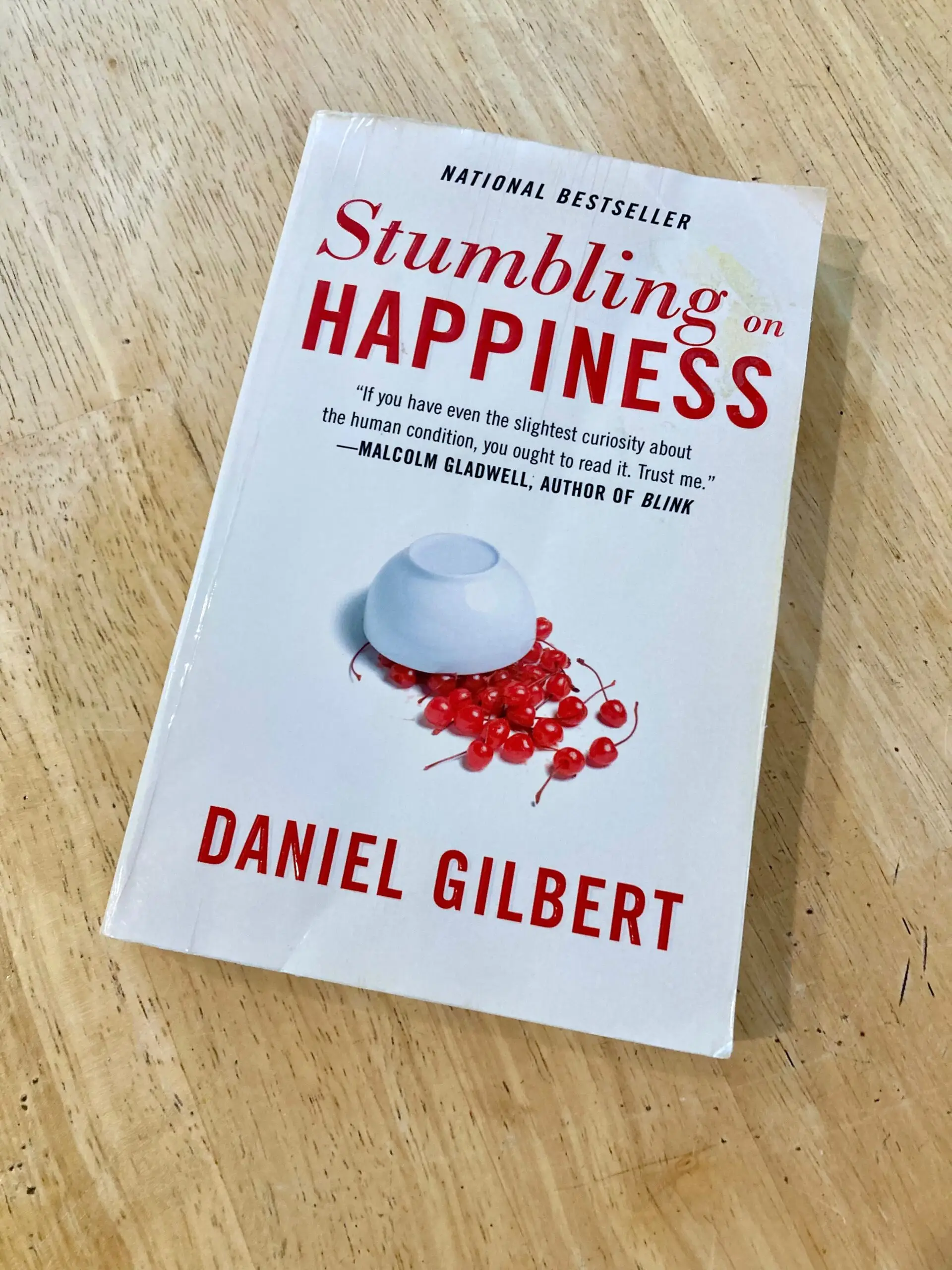
The problem with this mechanism is evidenced by the work of Dan Gilbert, who has studied how we make decisions about our lives, and our resulting levels of happiness. It turns out we’re terrible at predicting how we will feel in given scenarios. His book, Stumbling on Happiness, is filled with examples of people being asked to predict how they will feel in the future. Invariably, people overestimate how happy they’ll be after positive outcomes, and how sad they’ll be after negative ones.
So, what does this mean? It means that our decision making mechanism is broken. But there is a work around.
You and I are not all that unique. So, you can generally ask people who have done the thing you’re contemplating how they feel. And their response will generally predict how you’ll feel with much better accuracy than your broken decision making mechanism.
So, the next time you’re trying to decide what to order, ask the waiter what most people order. Want to know if a movie is good? Look at the scores on IMDB or Rotten Tomatoes.
It’s not perfect, but better than your doubly flawed imagination.
This has an important implication for our handling of fear. We have to realize that all fear lives in the future. We are afraid of the possible outcomes, which we are both terrible at imagining and our predictions of how we’ll feel, which are also terrible.
So, when feeling fear use caution and look to see if the fear is legitimate. Then, realize that your fear is an emotional reaction to an imagined future, and that even your emotional reaction is probably wrong.